
WHY CONSUMERS CHOOSE SIDES IN BRAND RIVALRIES
Why do consumers defend, celebrate and identify with brands they do not own? Great rivalries turn product preference into identity, belonging and choice.
Why do consumers defend, celebrate and identify with brands they do not own? Great rivalries turn product preference into identity, belonging and choice.
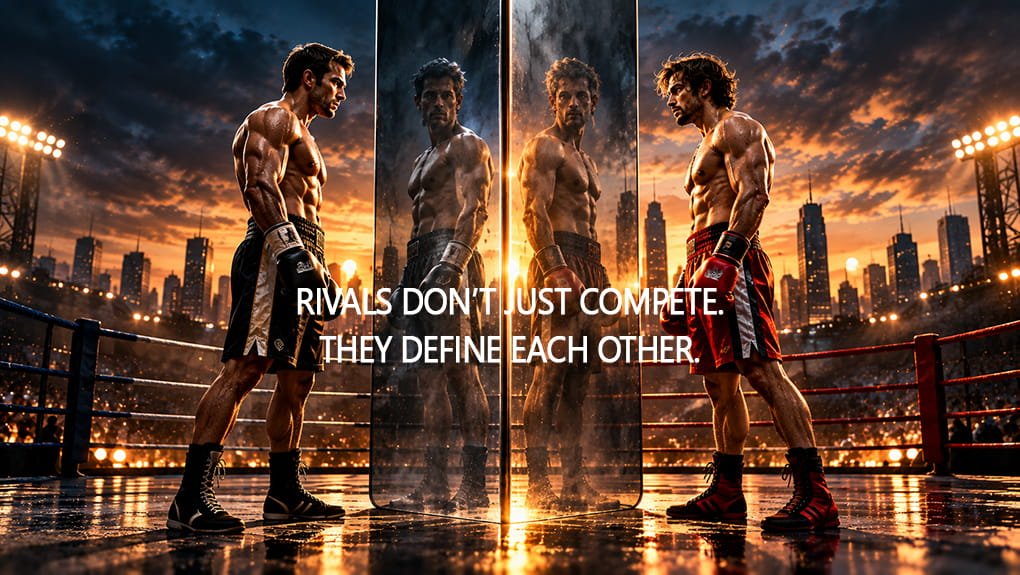
Competition does more than fight for market share. Strong rivals force brands to sharpen their differences, clarify their choices and strengthen their identity.
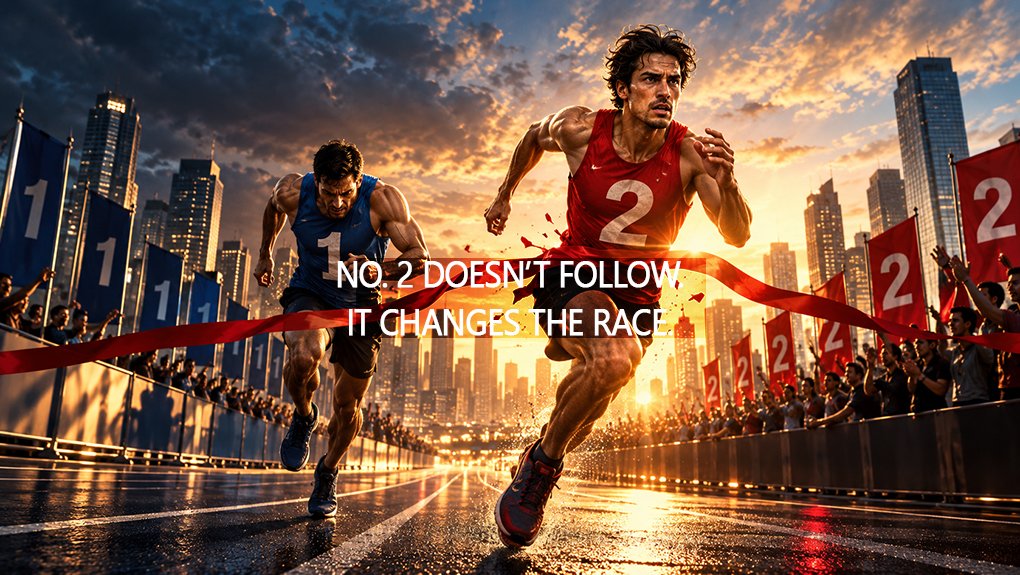
Market leaders may define a category, but challengers often force it to move. Discover why No. 2 brands can reshape strategy, innovation and competition.
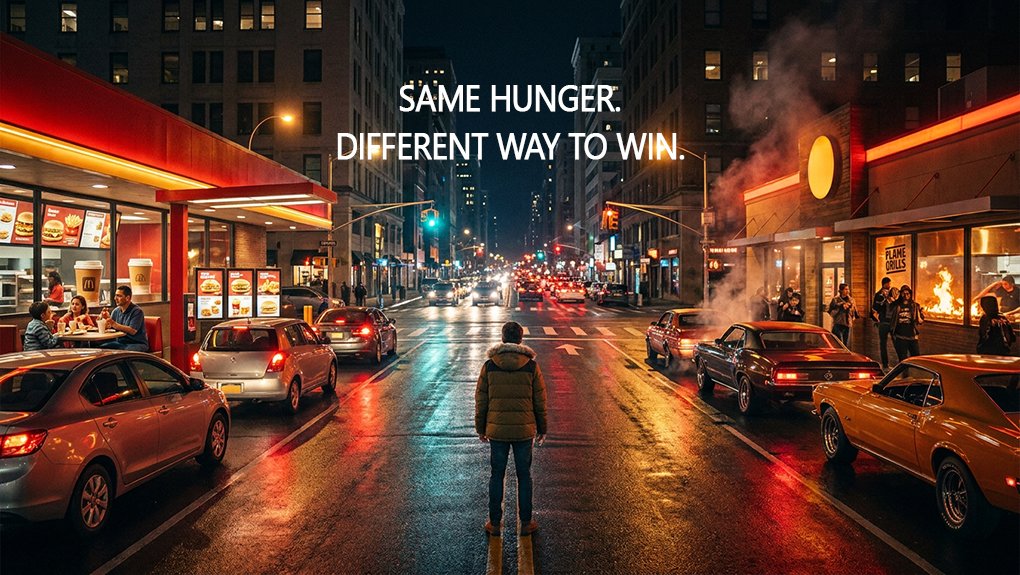
McDonald's and Burger King compete for much the same customer and meal. Their rivalry shows how scale and challenger thinking create very different strategies.
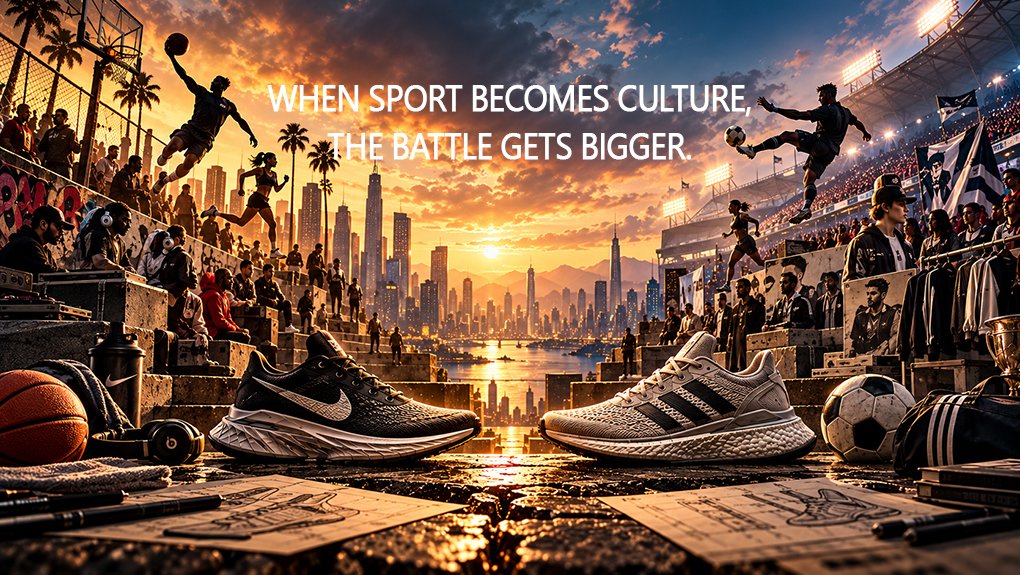
Nike and Adidas compete far beyond footwear. Their rivalry transformed sport, fashion, celebrity and culture into a global battle for identity.
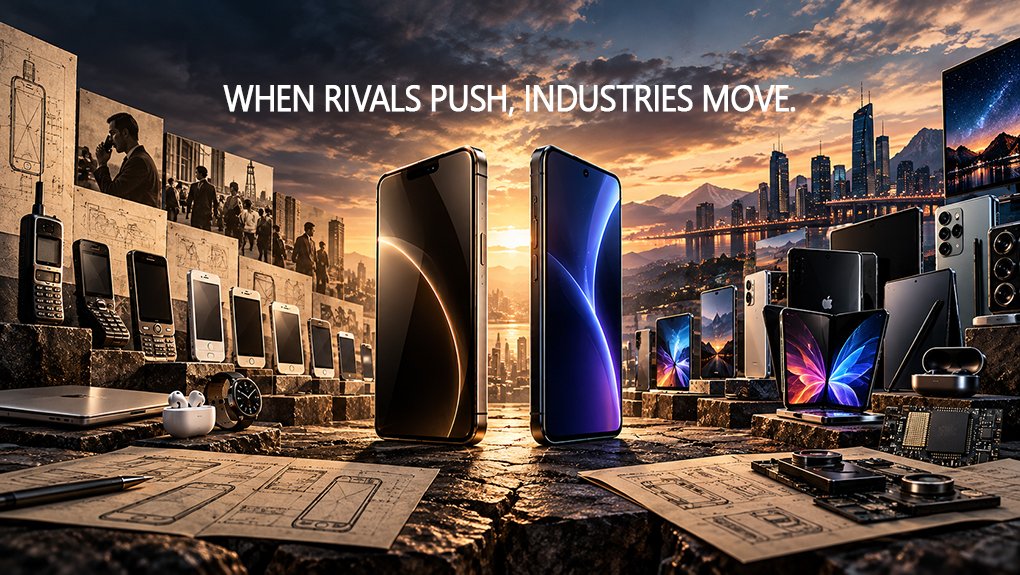
Apple and Samsung did more than compete for smartphone buyers. Their rivalry accelerated innovation, reshaped expectations and transformed an industry.
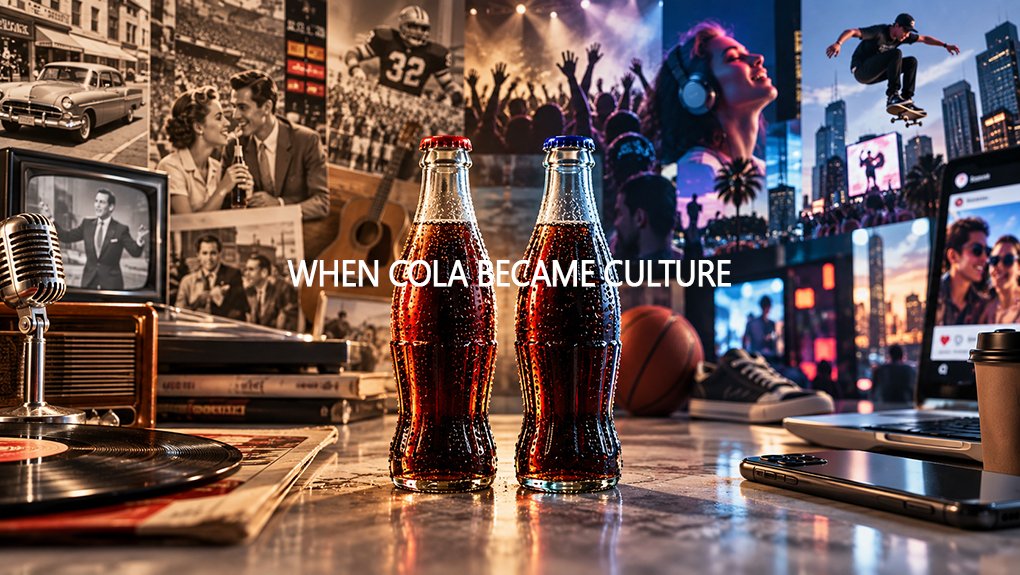
Coca-Cola and Pepsi competed for more than market share. Their rivalry transformed cola into a battle of identity, culture and competitive strategy.
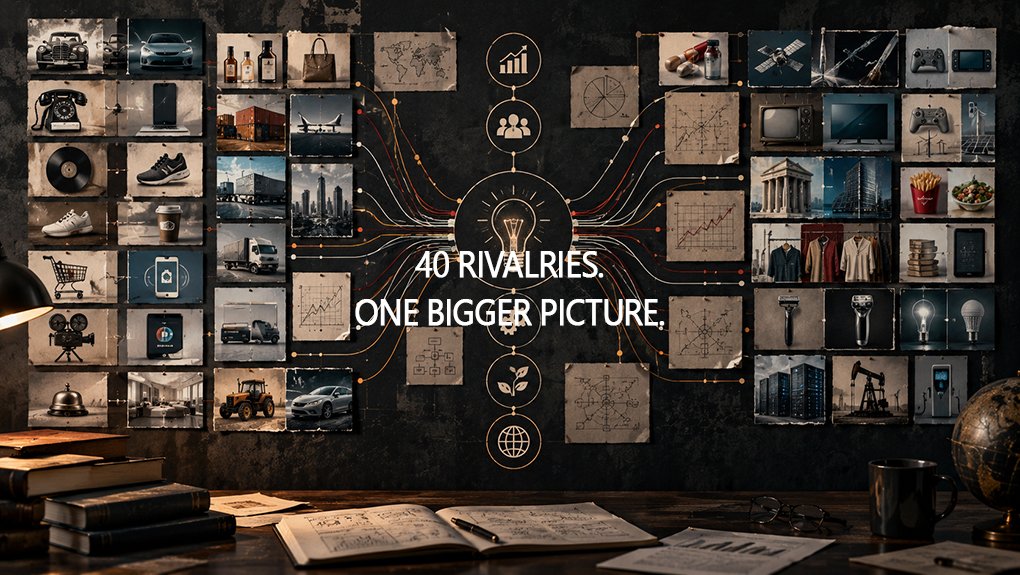
Across 40 iconic brand rivalries, recurring patterns reveal how competition reshapes strategy, innovation, leadership and entire markets.
From Coca Cola and Pepsi to Apple and Samsung, the greatest brand rivalries reveal how competition shapes strategy, innovation and entire markets.
Great rivals do more than compete. They sharpen strategy, accelerate innovation and force brands to become stronger, clearer and more distinctive.